
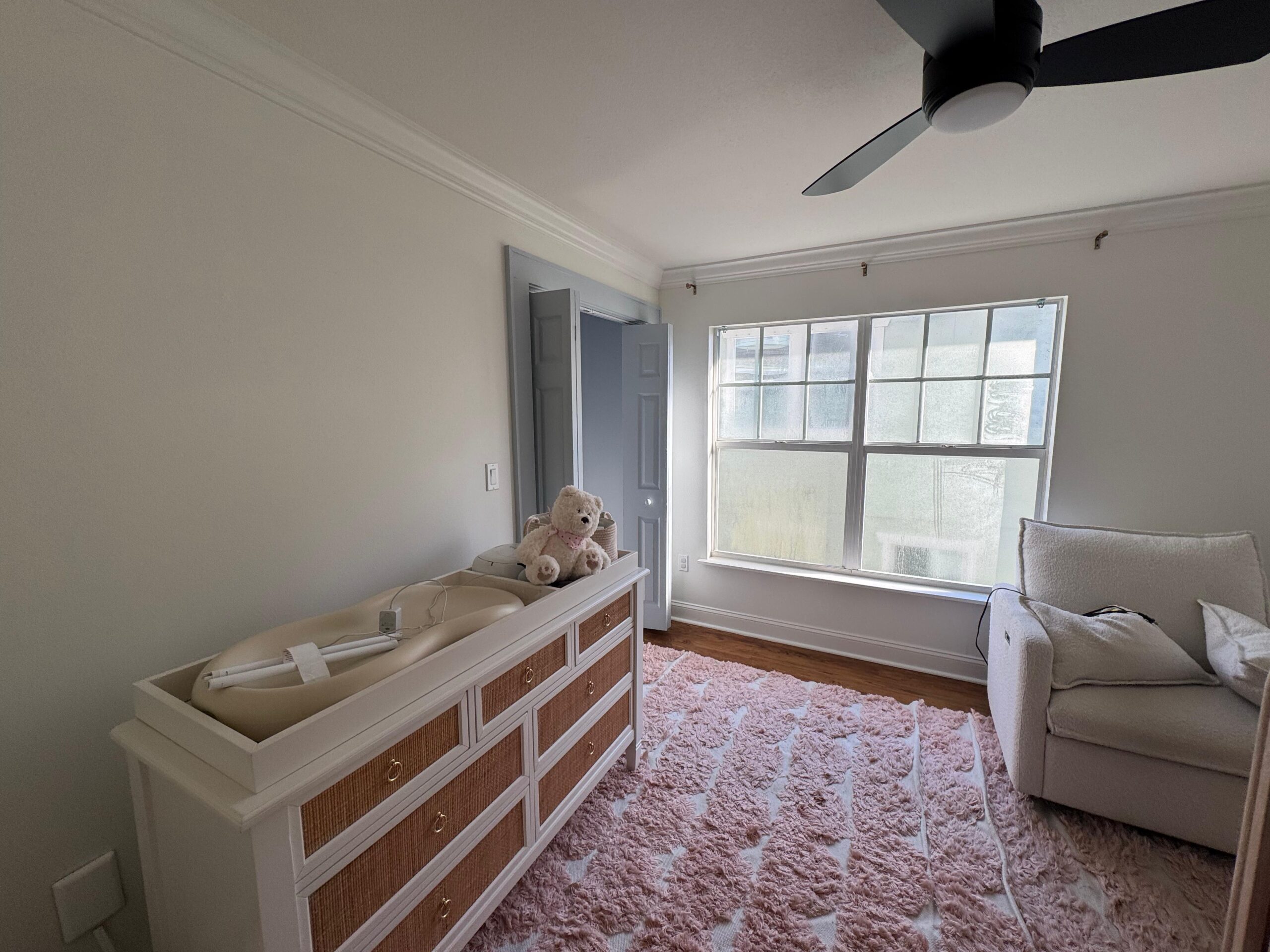
If you’re planning an interior update, one of the first questions is usually simple: How much does interior painting cost in St. Petersburg, FL? In 2026, homeowners can generally expect interior painting to cost around $2 to $5 per square foot, depending on the size of the project, surface condition, number of coats, and level of preparation required. Professional painting labor may also run approximately $35 to $55 per hour.
Those numbers are useful for a starting point, but they don’t tell the whole story. A home with smooth walls and minimal prep can cost considerably less than one that needs drywall repairs, extensive patching, ceiling work, or multiple coats of paint.
Average Interior Painting Costs in St. Petersburg
Interior painting prices vary according to the scope of the work. A single bedroom is obviously a different project from repainting an entire home.
For a standard single room, homeowners may see prices around $300 to $1,000, including typical preparation, wall painting, and cleanup. The actual price depends on room size, wall condition, ceiling height, trim, doors, and the type of finish selected.
Larger projects can sometimes have a lower cost per square foot because preparation and setup are spread across multiple rooms. However, whole-home projects can still become more expensive when ceilings, doors, baseboards, closets, or detailed trim are included.
Typical factors that affect the price
- Room and wall size
- Number of rooms
- Wall and ceiling condition
- Amount of preparation needed
- Number of coats
- Paint quality and finish
- Ceilings, doors, and trim
- Furniture and access
- Drywall repairs or other surface repairs
What Does Interior Painting Cost Per Square Foot?
The $2–$5 per square foot range is useful as a general benchmark, but homeowners should be careful when comparing estimates based only on square footage.
Painting contractors may calculate pricing differently. Some estimates are based on the home’s floor area, while others consider the actual paintable surfaces and the complete scope of work. That’s why two companies can quote different prices for homes with similar square footage.
For example, a 1,800-square-foot home with clean, previously painted walls may require relatively little preparation. Another 1,800-square-foot home could have cracked drywall, patched areas, glossy surfaces, dark colors that need additional coverage, or damaged trim. The amount of labor can be very different even though the homes are the same size.
Preparation Can Make a Big Difference
When comparing the interior painting cost in St. Petersburg, FL, preparation deserves as much attention as the paint itself.
Before applying new paint, walls may need dust removal, sanding, caulking, patching, scraping, or spot priming. Small imperfections that are barely noticeable on an old painted surface can become much more visible after a fresh coat.
Drywall damage is another common cost factor. Nail holes are relatively simple to repair, while larger cracks, damaged corners, water stains, or deteriorated areas require additional work.
Good preparation takes time, but it can make the finished walls look noticeably cleaner and help the new coating perform better.
Does Painting Ceilings and Trim Cost Extra?
Usually, yes. A basic estimate for painting walls may not include every surface inside the room.
Ceilings, baseboards, window trim, doors, crown molding, and closets can all add labor and materials to the project. Detailed trim can take considerably longer than a large, open wall because it requires careful cutting and additional preparation.
If you’re requesting an estimate, ask exactly which surfaces are included. An estimate that covers walls only should not be compared directly with one that includes walls, ceilings, doors, and trim.
Why Color Changes Can Affect Your Painting Cost
Changing from one similar color to another is generally straightforward. A dramatic color change can require more coverage.
For example, covering a strong red, deep blue, or other dark color with a light neutral shade may require additional coats or specialized preparation. Likewise, a freshly repaired wall may need primer before the finish paint is applied.
The goal isn’t simply to put paint on the wall. The surface needs to achieve an even appearance without obvious differences in color or sheen.
How Much Should You Budget for Interior Painting?
There isn’t one price that fits every St. Petersburg home. A useful starting point is the $2–$5 per square foot range, but your actual estimate should reflect the condition and scope of your particular project.
For a more realistic budget, consider whether you need:
- Walls only or walls plus ceilings
- Baseboards and trim
- Interior doors
- Drywall repair
- Extensive patching or sanding
- One color or multiple colors
- One coat or additional coverage
- Furniture moving or difficult access
These details can have a greater impact on the final price than square footage alone.
How to Get an Accurate Interior Painting Estimate
The best way to determine your actual interior painting cost in St. Petersburg, FL is to have the project evaluated based on the surfaces being painted and the preparation they require.
Before accepting an estimate, make sure you understand what is included, which repairs are necessary, how many coats are planned, what type of paint will be used, and whether cleanup is included.
A detailed written estimate makes it much easier to compare proposals fairly. Instead of choosing strictly by the lowest number, compare the scope of work, preparation, materials, and final finish included in each price.
Interior painting can be one of the simplest ways to refresh a St. Petersburg home, but the cost depends on much more than the size of the house. For 2026, $2 to $5 per square foot provides a useful general starting range, while individual room projects may fall around $300 to $1,000 depending on the work involved.
The condition of the walls, amount of preparation, ceilings and trim, color changes, and overall project scope all influence the final price. Understanding these factors before requesting estimates can help you build a realistic budget and avoid surprises later.